

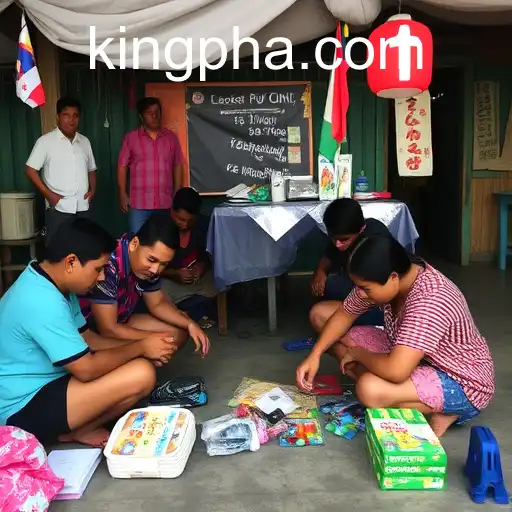

Jueteng is an entrenched and pervasive illegal numbers game that permeates everyday life in many parts of the Philippines, particularly in rural areas. Despite official government decrees against it, jueteng persists, thriving on the cultural, economic, and political intricacies of Philippine society. Engaging primarily within lower socio-economic classes, it is orchestrated by local lords—often dubbed the 'king ph'—who command immense social influence.
Jueteng, a form of illegal lottery, has a long-standing history in the archipelago. Its origins are believed to be derived from Chinese settlers in the 18th century, who introduced this numbers game to the local populace. The game's mechanics are simple, allowing participants to choose any two-number combination between 1 and 37. The winning combination is later drawn in secrecy, often influenced by predetermined results known to syndicates.
Jueteng transcends mere gambling, embedding itself into the social fabric of communities. It is not only a pastime but also a symbol of shared dreams, providing a glimmer of hope for many Filipinos living on the margins. Various individuals partake in the ritual of betting small amounts of money in hopes of significant returns, however, for most, the draw is the entertainment and community interaction it presents.
Moreover, 'king ph' figures leverage jueteng to underscore their patronage power, dispensing financial aid and organizing community events, thus reinforcing their stature and influence among locals. Such authority helps solidify their roles as necessary intermediaries between the official government apparatus and the everyday citizenry.
The game generates significant revenue, especially in regions with limited economic avenues. Participants wager amounts as small as a few pesos, yet the sheer volume of bettors converts these small stakes into substantial sums. Syndicates, often operated by the local 'king ph', have professionalized operations, employing numerous individuals from bet collectors, known locally as 'kubrador', to bagmen and security.
In a country where poverty is prevalent, jueteng offers an economic ecosystem that involves the underprivileged. It is this ecosystem, inclusive of the hopes of financial windfall, that makes government eradication efforts difficult, as the game provides pseudo-support systems for daily financial strains.
Politics and jueteng are inextricably intertwined, exemplifying mutual exploitation. Local politicians may exploit the financial clout and organized networks of 'king ph' figures to gain electoral support. In exchange, syndicates receive protection from law enforcement, allowing operations to persist unfettered in regions where government oversight is notably lax.
The notorious adaptability of jueteng operations, as they evade government surveillance, also highlights the endemic corruption problems that plague Philippine law enforcement. This perpetual dance of protection and exploitation further entrenches the game, making any genuine reform arduous.
Government tactics to eliminate jueteng include the imposition of stiffer penalties and the creation of legal gambling alternatives such as the Small Town Lottery (STL), aiming to draw players away from illegal variants. However, these endeavors seldom achieve their intended results. The ingenuity of syndicates, sometimes characterized by the destabilization or infiltration of STL operations, maintains jueteng's dominance.
The continued reliance on jueteng underscores the wider socio-economic issues within the Philippines, proposing an implicit challenge to the governance structures to address these root causes comprehensively.
The future implications of jueteng encompass more than the game itself; it amplifies themes of poverty, governance, and cultural identity. The impasse between eradication and acceptance suggests that resolution will demand a holistic approach that extends beyond mere suppression through law; it requires socio-economic recalibration at different levels of government leadership.
Although the enduring mechanism of jueteng highlights societal imperfections, its existence serves as a mirrored reflection of communal resilience and adaptability in adversity. The symbiotic relationship between the ordinary Filipino and the local 'king ph' characters offers significant insight into how communities navigate the complex interplay of dreams, chance, and survival in a challenging climate.

Dive into the captivating world of Crazy777, a game that blends strategy and chance with current events. Learn about its introduction, gameplay, and rules, with insights on how popular culture influences its dynamics with keywords like 'king ph'.

Explore the thrilling universe of Super7s and uncover the rules and strategies that make this game a favorite among enthusiasts.

Explore the captivating game FortuneHorse featuring intriguing gameplay elements and dynamic rules that engage players globally.

Discover the captivating gameplay and rules of ChickyParmParm, the game that's taking entertainment to a new level.

Dive into the captivating universe of GoHighHarvest. Learn about the gameplay, backstory, and unique rules that set this game apart.

Dive into the captivating universe of ParadiseBeach, a strategic game that combines adventure, mystery, and intense challenge. Discover the alluring world of King PH and learn how to master this exhilarating game.
